Past
|
Cranfield University, Milton Keynes, UK
Annual Meeting 2025 – Innovation in Colorectal Surgery
The Annual Meeting 2025 of the British Indian Colorectal Surgical Society (BRICSS) brought together colorectal surgeons, trainees, and international faculty to explore advancements and innovation in colorectal surgery.
Free
Overview
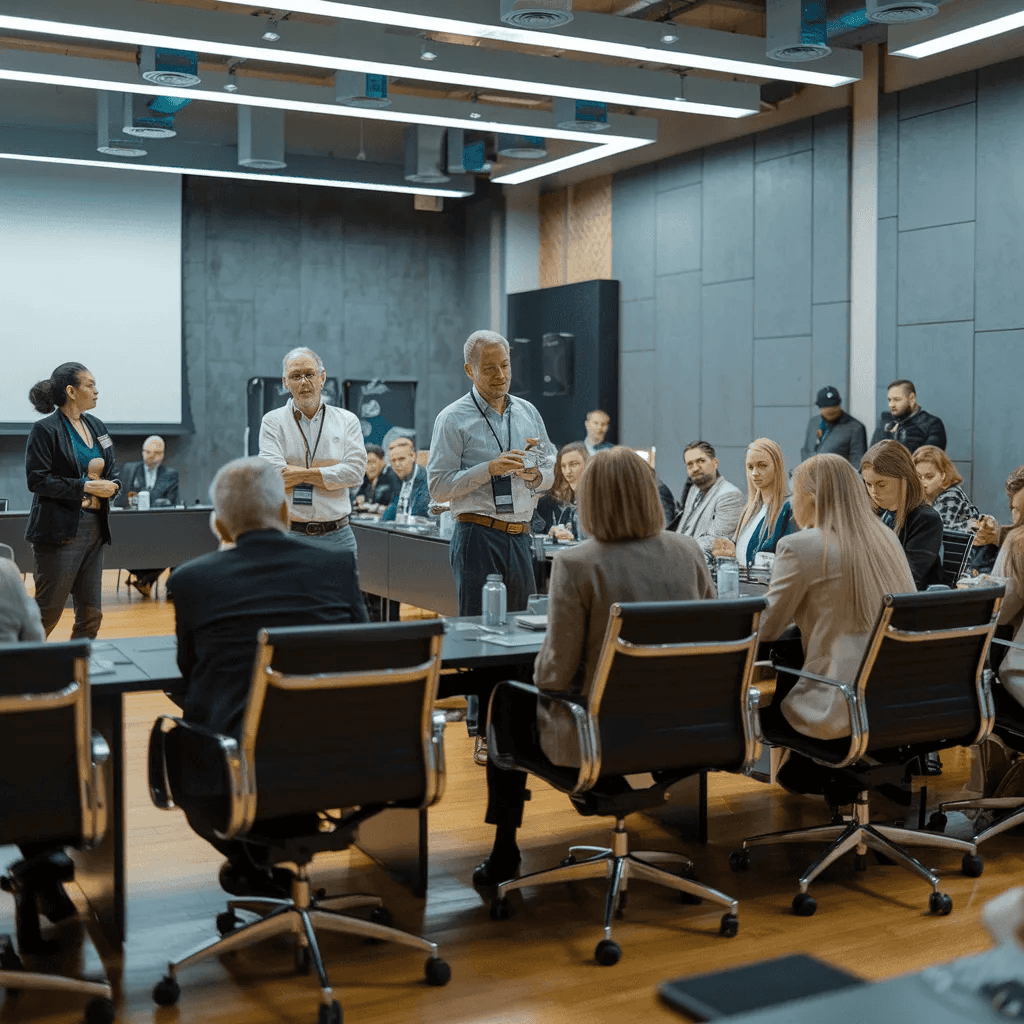
The Annual Meeting 2025 of the British Indian Colorectal Surgical Society (BRICSS) brought together colorectal surgeons, trainees, and international faculty to explore advancements and innovation in colorectal surgery.
Event Details
Date: 22–23 November 2025
Venue: Cranfield University, Milton Keynes, UK
Format: In-person
Theme: Innovation in Colorectal Surgery
Organised by: British Indian Colorectal Surgical Society (BRICSS)
Key Faculty & Speakers
Mr Garimella – Presidential Address
Mr Hari – ACPGBI Presidential Address
Mr Srinivas Chintapatla – AWR Pathway & Quality of Life
Mr Selvasekar – Indo-UK Collaboration
Ms Dimple Sapre – 2WW Pathway Design
Mr Raj Mankotia – Sabbatical Insights
Mr Mamoon – Diverticular Colo-vesical Fistula (RCT)
Mr Mayank Mathur – Modified LIFT Procedure
(derived from agenda )
Programme Highlights
Presidential addresses from BRICSS and ACPGBI leadership
Focus on robotic surgery and minimally invasive techniques
Discussions on colorectal cancer pathways and clinical outcomes
Sessions on surgical innovation and international collaboration
Dedicated networking and academic exchange opportunities
Event Summary
The BRICSS Annual Meeting 2025 focused on innovation and evolving practices in colorectal surgery. The programme combined academic presentations, case-based discussions, and collaborative sessions involving UK and international experts.
Key areas included robotic surgery, abdominal wall reconstruction, colorectal cancer pathways, and surgical training. The meeting also emphasised Indo-UK collaboration and future directions in colorectal surgical practice.
The event provided a valuable platform for knowledge exchange, professional networking, and academic engagement within the colorectal surgical community.
Key Takeaways
Growing role of robotic and minimally invasive techniques
Importance of structured clinical pathways (e.g. 2WW pathway)
Continued focus on international collaboration
Advances in colorectal surgical training and research
Value of peer-led academic discussions